Why We Encourage Competition At Praetorian MMA
At Praetorian MMA, competition is not about forcing everyone to become a champion. It is about growth, confidence, exposure and learning how to deal with pressure in an environment that challenges you properly.
Not everyone has to compete, but for those who do, competition can become one of the most powerful parts of their development. It can help children, teenagers and adults understand themselves better, test their training honestly and build skills that carry far beyond the mats.
If you are still new to training, it may help to read Getting Started at Praetorian MMA, Your First Class at Praetorian MMA and Martial Arts vs Combat Sports first. Competition should sit on top of good foundations, not replace them.
Competition Isn't Just For Adults
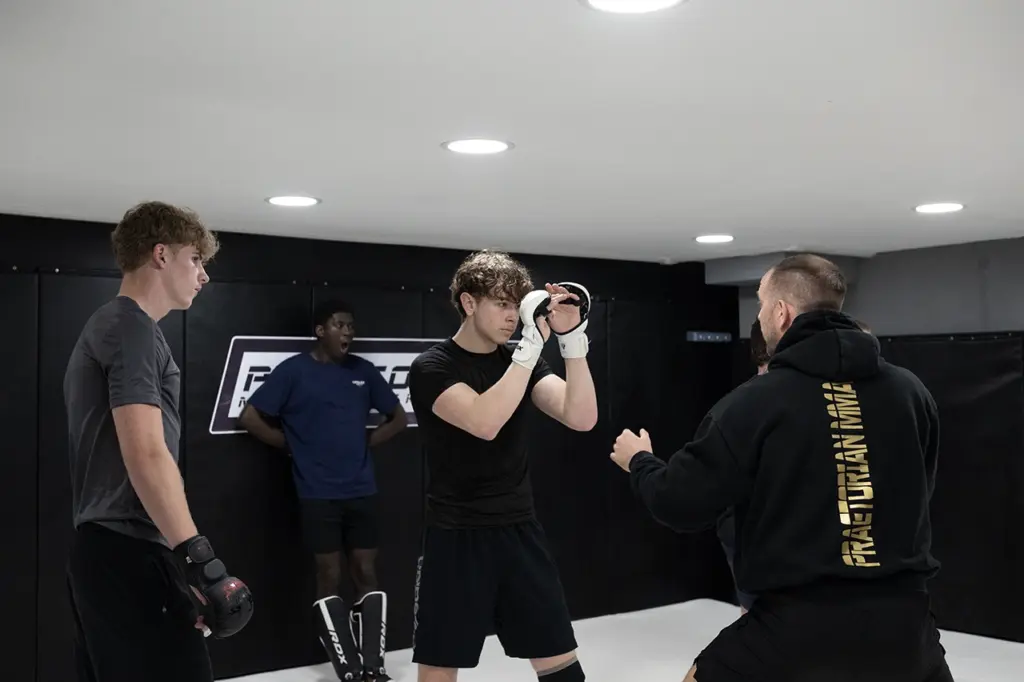
Competition can be valuable for adults, but it can also be incredibly useful for children and teenagers when approached properly.
Younger members learn how to manage nerves, listen under pressure, follow instructions, prepare for an event and deal with the result afterwards. Those lessons can help at school, during exams, in friendships and later in working life.
For families looking at the youth side of the club, our Kids Pathway, Teen Pathway, Kids and Teens BJJ and Kids and Teens MMA pages explain more about how younger members can get started.
Competition Shows You Where You Are
In class, you train with people you know. You understand their style, their strengths, their pace and the way they move. That is important, but it is not the same as testing yourself against someone you have never met before.
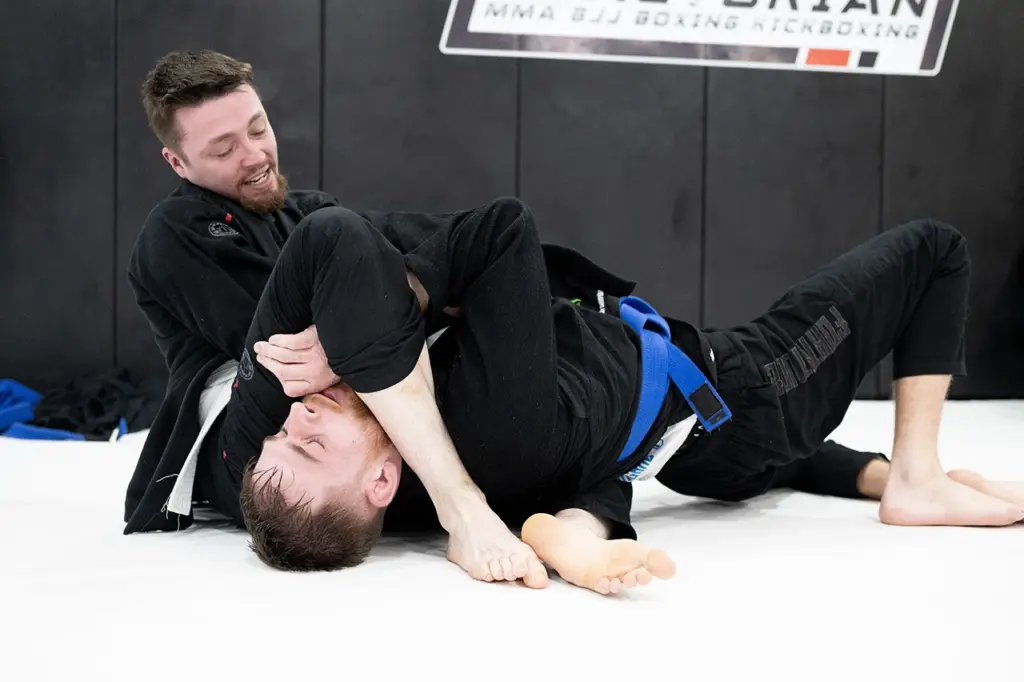
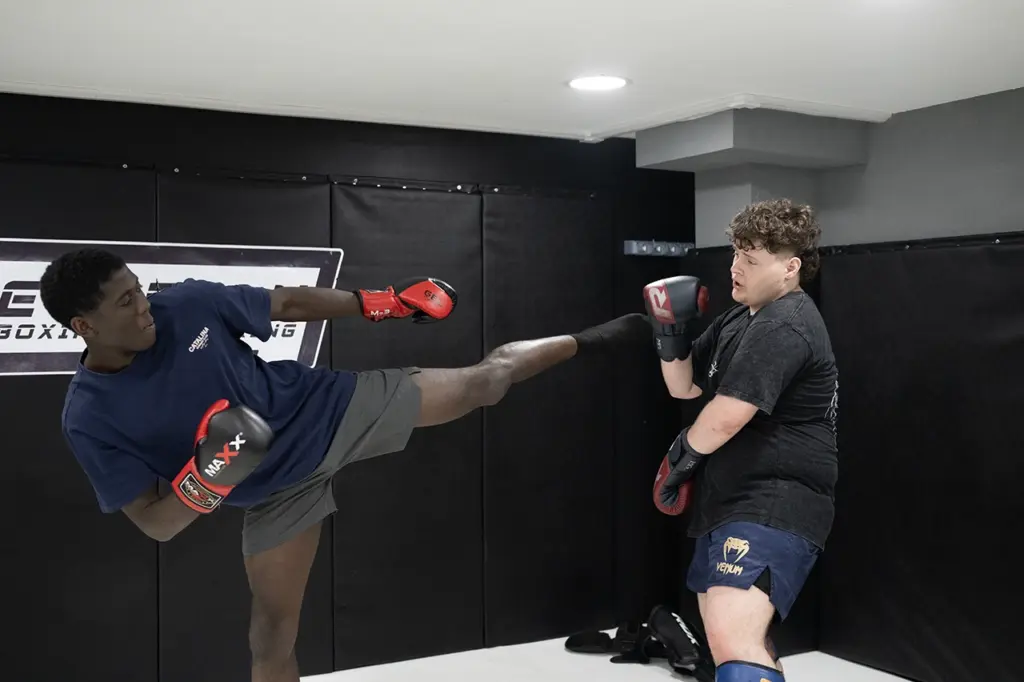
Competition gives you honest feedback. It shows what is working, what needs improving and where your training currently sits under pressure. This is especially important in Gi BJJ, NoGi BJJ and MMA.
It can also help coaches understand whether someone is ready for promotion. Belts, stripes and progress should be earned through evidence rather than attendance alone. Competition is not the only measure, but it can be an important part of understanding where someone really is when the pressure is higher.
This is one of the reasons our coaches value competition experience alongside normal class performance, open mat rounds and long-term consistency.
You Do Not Need To Be The Best To Compete
A lot of people wait too long because they think they need to be ready before they compete. The problem is that most people never feel ready.
From coaching at national and international level, the biggest lesson is that you do not need to be the very best before you compete. You need experience. You need exposure. You need to learn how to travel, prepare, warm up, deal with nerves and perform in an environment you do not control.
That process is where a huge amount of growth happens.
Class Performance And Competition Performance Are Different
Over the years, we have seen people who were excellent in the gym struggle when they competed for the first time. They could beat almost anyone in class, but the moment they were placed in a new environment, against someone they did not know, everything felt different.
That is not weakness. That is the reality of pressure.
Competition exposes more than technique. It exposes mindset, preparation, emotional control and the ability to cope when things feel chaotic. Those lessons are valuable whether you win or lose.
Learning To Cope With Chaos
A competition can feel chaotic. You may be in a venue you do not know, surrounded by people you have never met, waiting for a match time that changes, trying to manage nerves while also staying focused.
That experience teaches organisation, preparation and emotional control. You learn to pack properly, arrive on time, manage food, manage nerves, listen to coaches and still perform when things are not perfect.
Those skills go far beyond the mats. They help children, teenagers and adults learn how to handle pressure in other parts of life as well.
Competition Builds Stronger People
The confidence people gain from competition is different from normal confidence. It is not confidence built from someone telling you that you are good. It is confidence built from doing something difficult and realising you can handle it.
For younger members, this can be especially powerful. Competition helps build resilience, discipline and self-belief. It teaches them how to deal with nerves, how to win properly, how to lose properly and how to come back stronger.
Parents can read more about our approach to youth development here: A Parent's Guide To Starting Martial Arts and How Old Does My Child Need To Be To Start Martial Arts?.
Winning Is Not The Goal
Winning feels good, but it is not the main reason we encourage competition.
The real goal is development. Did you prepare properly? Did you listen to your coach? Did you attempt what you have been working on? Did you stay composed under pressure? Did you learn something that can improve your training when you return to the gym?
Medals are a bonus. Performance, behaviour, resilience and learning matter far more over the long term.
Losing Is Part Of Becoming Better
If your goal is to become excellent, you have to accept that losing is part of the journey. If you want to become a world champion, you will probably lose more than you win in the early stages.
Every loss gives information. It shows what needs work. It highlights habits, mistakes, weaknesses and gaps in preparation. If handled correctly, every loss becomes part of your development.
This is where the right coaching environment matters. Coaches such as Nathan Johnstone, Rob Goodson, Josh Woodbourne, Martyn Styler, Kieran Pugh and Christian Bloomfield can help students understand what happened, make adjustments and return to training with a clearer focus.
It Takes Time To Feel Calm
In our experience, it can take around a year of regular competing before many people start to feel calm enough to perform properly. Before that, they are often still learning the process.
Your first competition is often about exposure. Your first season is often about learning how events work. Your first year is often about building enough experience that the environment stops feeling so overwhelming.
Athletes are learning how to travel, how to warm up, how to manage their nerves, how to listen under pressure and how to recover emotionally after a match.
Once that becomes more normal, athletes often start developing their own style. They stop simply surviving the event and start expressing their own game.
Why We Travel To Competitions
Travelling to competitions is about more than matches. It gives members a chance to spend time with teammates, support each other, watch different styles and experience the wider combat sports community.
For younger members especially, travelling with the team can help build independence, responsibility and pride in representing Praetorian MMA.
It also gives coaches valuable time to see how students behave outside the normal class environment. Preparation, attitude, respect, resilience and the way someone supports teammates all matter.
Through our relationship with Odyssey Combat Hub, members also benefit from a wider network of coaches, competitors, seminars and events that help support long-term development.
Competition Is Not Mandatory
We encourage competition because we believe it can be incredibly valuable, but that does not mean every person must compete.
Some people train for confidence. Some train for fitness. Some train for self-defence. Some train because the club gives them structure and support. Those are all valid reasons to be on the mats.
If you are still deciding where your training fits, read BJJ, MMA or Kickboxing: Which Is Right For You? and Martial Arts vs Combat Sports: What's The Difference?.
The Best Version Of Yourself
Competition has the ability to create stronger individuals. Not just better grapplers, better fighters or better athletes, but stronger people.
It teaches you how to prepare, how to lose, how to improve, how to manage pressure and how to keep going when things feel difficult.
Those are lessons you can take into school, work, relationships and every other environment you step into.
If competition interests you, speak to a coach. You do not need to be the best in the room. You simply need to be willing to learn.
If you are ready to start your own journey, explore the Kids Pathway, Teen Pathway, Adult Gi Pathway or begin with the 7 Day Free Trial.