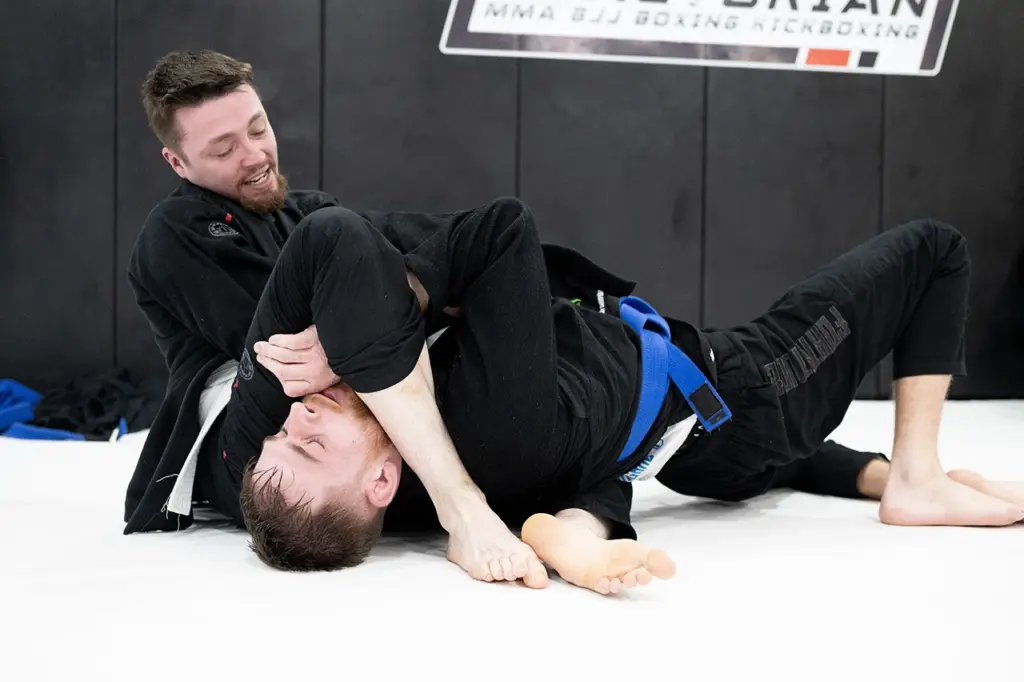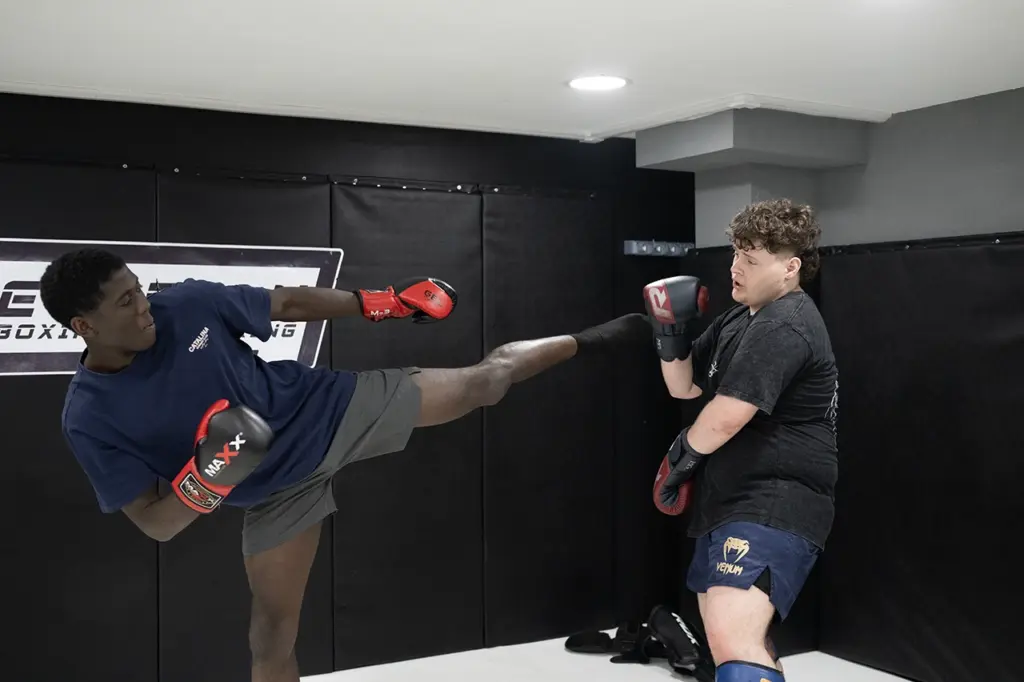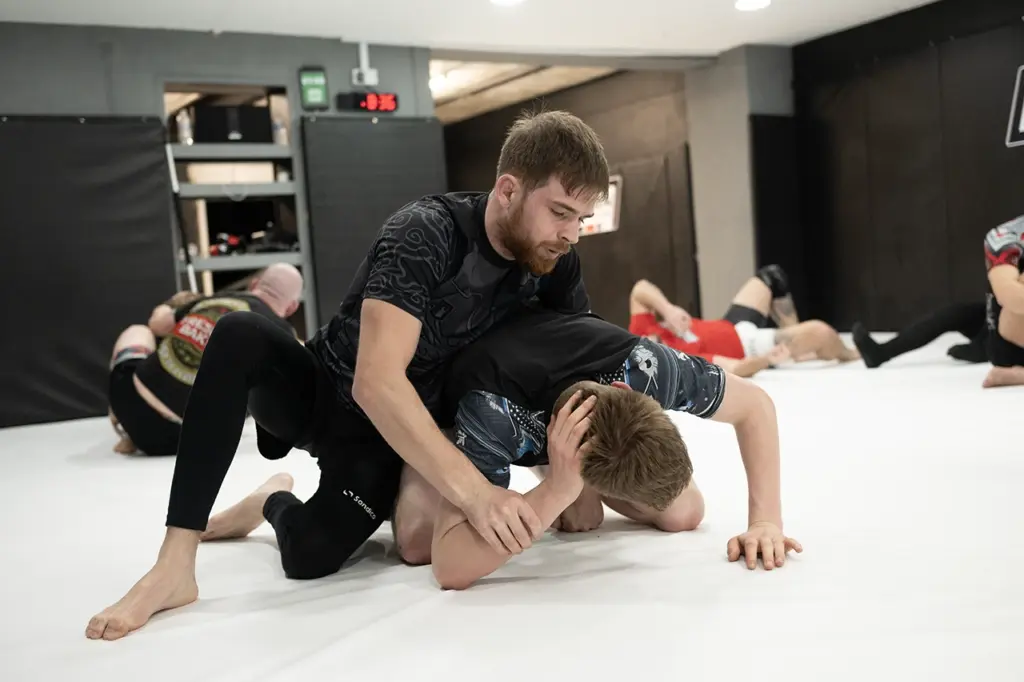
THE BENEFITS OF COMBAT SPORTS FOR TEENAGERS
The teenage years are some of the most important years in a person's life. This is when habits are formed, confidence develops, friendships change and young people begin deciding who they want to become.
At Praetorian MMA, we believe combat sports can give teenagers structure, positive role models, accountability, resilience and real-world confidence. The goal is not just to create better athletes. The goal is to help create better adults.
If you are a parent looking at training for your teenager, you may also find A Parent's Guide To Starting Martial Arts, How Old Does My Child Need To Be To Start Martial Arts? and Why Consistency Beats Talent useful.
WHY THE TEENAGE YEARS MATTER
Between the ages of 11 and 16, young people are changing quickly. They are dealing with school, friendships, pressure, confidence, identity and the early stages of becoming more independent.
This is also when routine and environment can make a huge difference. A teenager surrounded by positive people, clear standards and meaningful goals is far more likely to build habits that support them later in life.
You can learn more about our structured route for this age group through the Praetorian MMA Pathways.
TEENAGERS NEED SOMEWHERE POSITIVE TO BELONG
A lot of teenagers are trying to work out where they fit. They may feel pressure from school, social groups, online influences, changing friendships and their own expectations.
Training gives them somewhere real to belong. Somewhere they are known by name. Somewhere effort is noticed. Somewhere older members and coaches expect standards from them while still wanting them to succeed.
That sense of belonging can make a huge difference. Teenagers are far more likely to stay consistent when they feel connected to the people around them.
CONFIDENCE IS BUILT, NOT GIVEN
Real confidence is not created by telling a teenager they are amazing. It is built through experience.
Combat sports gives teenagers the chance to try difficult things, make mistakes, keep going and slowly realise they are capable of more than they first believed.
That confidence does not stay on the mats. It can carry into school, exams, friendships, work and the way they handle pressure in everyday life.
LEARNING TO HANDLE FAILURE
One of the most valuable things combat sports teaches teenagers is how to handle failure.
They will get techniques wrong. They will lose rounds. They may lose matches. They will have days where training feels difficult.
That is not a problem. That is the process.
Learning how to fail, recover and try again is one of the most important skills a teenager can take into adult life.
This is also why we believe competition can be so valuable when approached properly: Why We Encourage Competition At Praetorian MMA.
POSITIVE ROLE MODELS MATTER
Teenagers are influenced by the people around them. Coaches, training partners and older members can all have an impact on how a young person sees themselves.
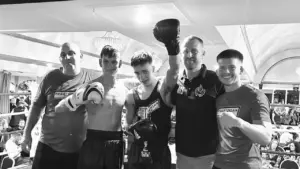
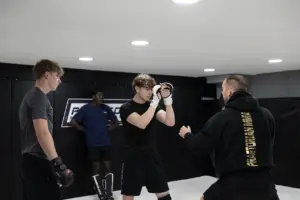
At Praetorian MMA, teenagers train around people who understand discipline, consistency, humility and effort. They see people working hard, helping each other and holding themselves to a standard.
Coaches such as Josh Woodbourne, Ben Hudson Wilde, Martyn Styler and Nathan Johnstone all bring different experiences that help shape young members in different ways.
You can learn more about the wider coaching team here: Meet The Team.
TRAINING AROUND ADULTS AND OLDER MEMBERS
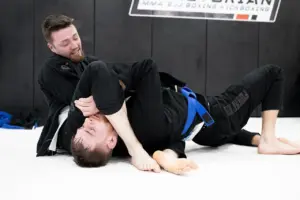
As teenagers mature, some may begin training around older members or adults when appropriate. This can be incredibly valuable because it exposes them to people with different life experience, discipline and standards.
A teenager who trains around respectful adults learns how to communicate, listen, behave and hold themselves properly in a more mature environment.
This does not mean throwing teenagers into situations they are not ready for. It means allowing the right young people to grow into bigger environments when their maturity, behaviour and attitude show they are ready.
PHONES, SCREENS AND REAL RELATIONSHIPS
Teenagers today spend a huge amount of time online. Phones, games, social media and screens are part of modern life, but they cannot replace real friendships, real challenges and real achievements.
Training gives teenagers somewhere to be physically active, work with others, build friendships and be part of something real.
They learn how to communicate, support training partners, manage nerves and feel part of a team.
MILITARY FAMILIES AND SERVICE CHILDREN
Praetorian MMA is based in an area with strong military links, and many families connected to the club have experience of service life, shift work, changing routines or parents being away for periods of time.
For teenagers, having a consistent place to train can help provide routine, structure and stability even when life outside the club is changing.
For serving military, veterans and emergency services personnel, our connection with REORG at Praetorian MMA may also be relevant for the wider family.
BEN'S STORY
Ben Hudson Wilde is one of the strongest examples of how combat sports can change a teenager's direction.
Ben joined Praetorian MMA at 15. At that stage, he had not been going to school, had a drink problem, had taken drugs, was overweight, socially awkward and struggling to connect with people around him.
The young person who first walked through the doors and the coach involved with our MMA programme today are almost impossible to compare.
Ben's change came from hard work, dedication, structure, accountability and consistency. He is not a story about overnight success. He is a story about what can happen when a teenager finds the right environment and keeps turning up.
You can read more about this idea here: Why Consistency Beats Talent.
JOSH'S STORY
Josh Woodbourne also shows what long-term training can do for a young person.
Josh was bullied when he was younger, was born with Myalgic Encephalomyelitis and is registered disabled. His journey has never been about everything being easy.
Through consistency, resilience and hard work, Josh became a coach at Praetorian MMA and was ranked number one in the UK in his division last year.
For shy or nervous teenagers, Josh's story shows that confidence can be built slowly over time: My Child Is Shy: Will Martial Arts Help?.
JACK'S STORY
Jack Cowley joined Praetorian MMA at 15 after being bullied. He was born with cerebral palsy and had recently had surgery to straighten his foot.
When Jack arrived, he had clear physical limitations. Through training, patience and consistency, he learned to move better, walk better, run better and carry himself with far more confidence.
Jack has since competed in the ring, wants to compete again and is also working towards qualifying as an MMA referee in the future.
You can read more about supporting young people with additional needs here: My Child Has Autism, ADHD Or Additional Needs: Can They Still Train?.
THE HABITS TEENAGERS BUILD TODAY
The habits teenagers build now often follow them into adulthood.
Turning up when they do not feel like it, learning to listen, coping with failure, treating others properly and staying consistent are not just combat sports skills. They are life skills.
This is why we take the teenage years seriously. The young person training today is becoming the adult they will be tomorrow.
WHERE SHOULD TEENAGERS START?
The best starting point for most teenagers is the Praetorian MMA Pathway system. This gives them a structured way into the club and helps them experience the training properly.
Teenagers can also explore:
The goal is not just to give teenagers somewhere to train. The goal is to help them build confidence, discipline, resilience and habits that stay with them long after they leave the mats.