How Old Does My Child Need To Be To Start Martial Arts?
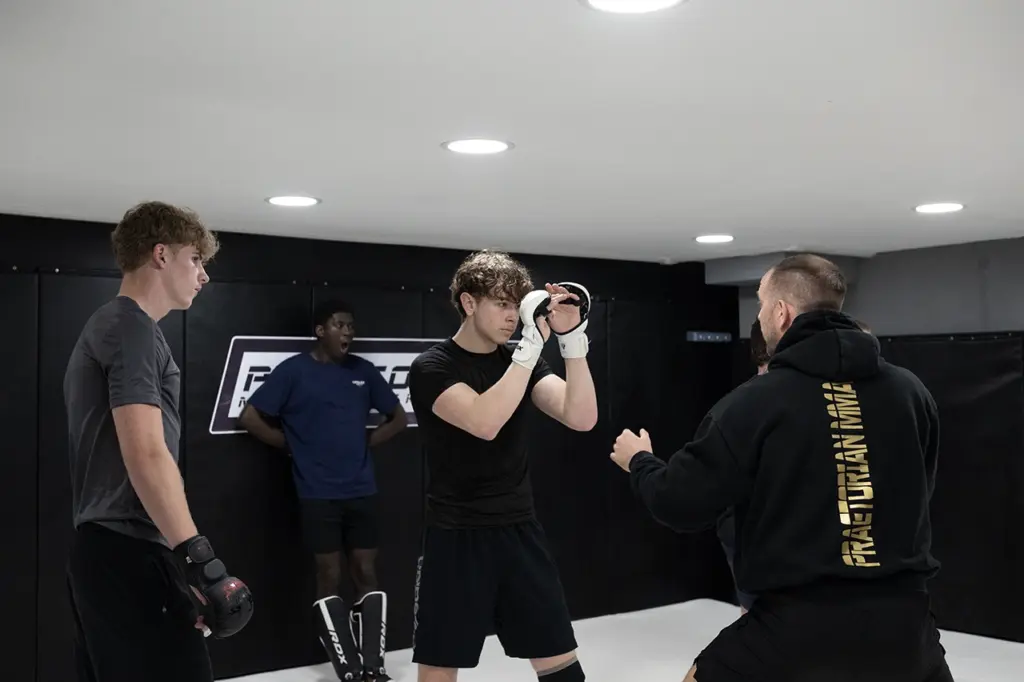
One of the most common questions parents ask us is how old their child needs to be before starting martial arts or combat sports. At Praetorian MMA, our general recommendation is age 7 and above, but the real answer depends on the child.
Some children are ready earlier. Some need a little more time. Age matters, but maturity, listening skills, confidence, energy levels and parental support often matter more.
If you are at the beginning of the process, it may also help to read A Parent's Guide To Starting Martial Arts, Getting Started at Praetorian MMA and Your First Class at Praetorian MMA. These articles explain the wider journey and what to expect before your child steps onto the mats.
Why We Recommend Age 7+
From experience, children around age 7 are usually better able to listen, follow instructions, understand basic structure and cope with learning something new.
At this age, children are often more comfortable working near other children, listening to a coach and understanding that a class involves taking turns, paying attention and trying again when something feels difficult.
That does not mean younger children cannot train. It means younger children often need more nurturing, more patience and more direct support, especially in the early stages.
Our Kids Pathway is designed to give younger members a structured route into training, whilst the Teen Pathway gives older children and teenagers a clear next step as they mature.
Younger Children Can Still Start
We do allow some children younger than 7 to start, but we strongly encourage parents to be actively involved. For younger children, that support often works best when it comes from a parent.
A coach can guide the class, but a parent often understands their child's mood, tiredness, confidence and behaviour better than anyone else.
Younger children may need help staying focused, understanding instructions or dealing with frustration when something does not go their way. That does not mean they cannot train. It simply means the early stages may need to be more patient and more supported.
Speaking As A Coach And A Parent
As both a coach and a parent, I know how different a young child can be from one day to the next. When my child was under the age of six, the lesson could depend on the day he had, when he last slept, when he last ate and whether he was tired or overtired.
Those are two very different energy levels. Some days, getting something wrong would not bother him. Other days, the same mistake could lead to a meltdown.
He did not always know his left from his right. He needed more help, more reassurance and more patience. If he had a bad experience, he could go home moody and remember it the next time training came around.
Perseverance from me as a parent was needed. Because I understood those signs and had been around combat sports for most of my life, those difficult moments did not put me off. But I have seen similar moments sway other parents.
That is why honest expectations matter. If a younger child starts, the goal should not be instant success. The goal should be gradually helping them understand the environment, trust the coach and enjoy the process enough to keep coming back.
It Is About Readiness, Not Just Age
The real question is not only “How old is my child?” It is “Is my child ready?”
Can they listen for short periods? Can they follow simple instructions? Can they work near other children? Can they cope with getting things wrong? Can they slowly build confidence with support?
They do not need to be perfect. They do not need to be naturally sporty. They simply need the right support and the willingness to keep trying.
If your child is naturally quiet, nervous or unsure around new people, our article on children who feel shy in training may also help once that page is published. Many children need time to settle, and that is completely normal.
Why Parent Involvement Matters
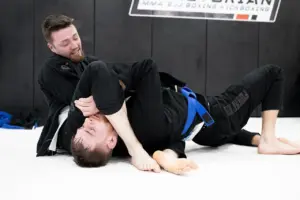
We actively encourage parents to get involved in their child's lessons where appropriate. Roll with them. Work with them. Help them listen, learn and stay engaged.
We do not charge parents for supporting their child in this way. If anything, we see it as one of the best parts of the journey.
From the time children start school, they are encouraged to build relationships with teachers, friends, coaches and other adults. As parents, we sometimes get less time being actively involved in their development.
Combat sports gives you a rare opportunity to do something with your child, not just watch from the side.
Building Habits For Later Life
Most parents do not bring their child to combat sports because they want them to become a fighter. They want better habits. They want confidence. They want resilience. They want their child to learn not to give up when something becomes difficult.
These skills matter far beyond the mats. They matter at school, during exams, through GCSEs, in friendships, in work and throughout adult life.
Training teaches children that progress takes effort. It teaches them that getting something wrong is part of learning. It teaches them that consistency matters.
You can read more about the wider benefits for children in A Parent's Guide To Starting Martial Arts and Martial Arts vs Combat Sports.
The Bond Between Parent And Child
There are many sports and activities where parents can only watch. Combat sports can be different.
When you train with your child, help them through difficult moments and celebrate small improvements together, you build memories and deeper bonds.
One day, when they are adults with children of their own, you may be able to remind them that you did these things together. They may even continue that pattern with their own child.
What Happens As They Get Older?
As children grow, training can develop with them. Some will continue because they enjoy the social side and routine. Some will become more technical. Some may begin helping younger members. Some may move towards competition, leadership or even coaching later in life.
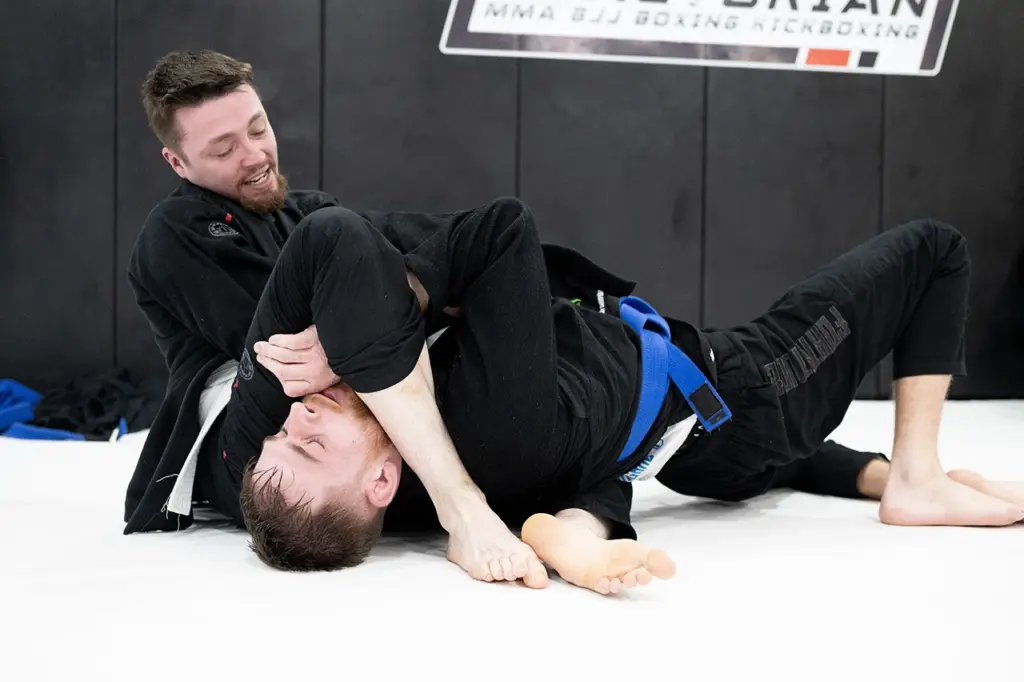
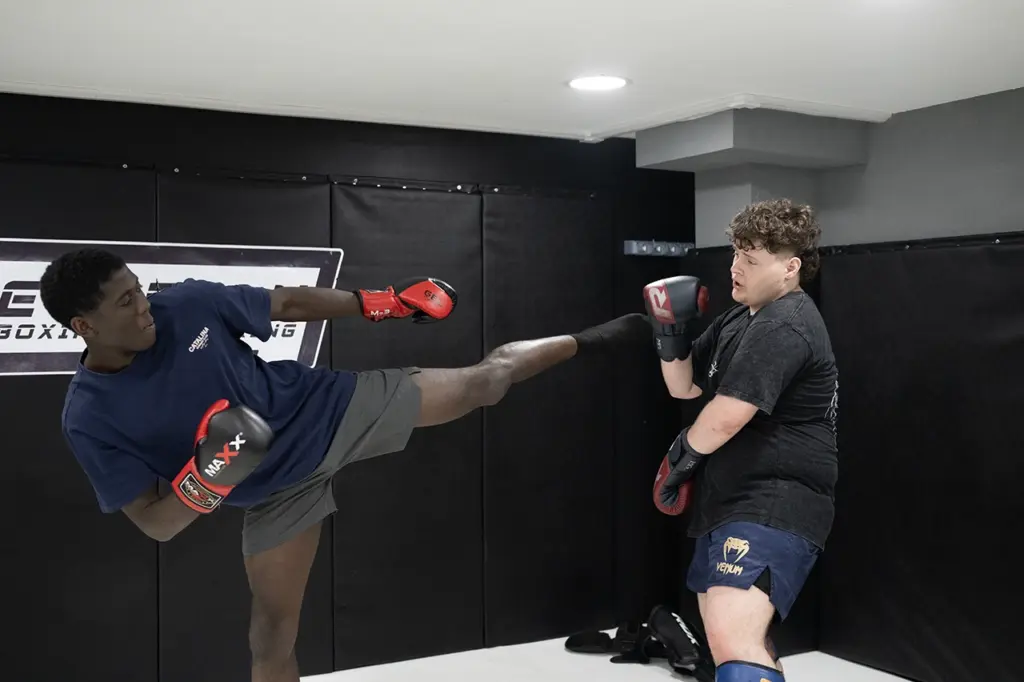
Children who enjoy grappling may progress through Kids and Teens BJJ, whilst those who enjoy a wider range of skills may also explore Kids and Teens MMA.
Competition is available for those who want it, but it is never the only measure of progress. Confidence, consistency, behaviour, teamwork and resilience all matter.
Where Should My Child Start?
For younger children, we usually recommend starting with our structured youth classes and allowing the coaches to guide you from there.
You can explore our youth pathways here: Kids Pathway and Teen Pathway.
You can also view the full class schedule here: Praetorian MMA Timetable.
Youth classes are supported by coaches including Josh Woodbourne, Nathan Johnstone, Martyn Styler and Christian Bloomfield, depending on the class and age group.
The Best Way To Find Out
If you are unsure whether your child is ready, the best thing to do is speak to us and let them try a class.
We can help you choose the right session, explain what to expect and support you through the first few lessons.
Start with the 7 Day Free Trial, meet the coaches and see how your child responds.