WHY WE ENCOURAGE CROSS TRAINING
At Praetorian MMA, we do not want people to become good at only one thing. We want members to become more capable, more adaptable and more complete in the way they train.
That is why we encourage cross training across Gi BJJ, NoGi BJJ, MMA, MMA Striking and Kickboxing. Different classes develop different skills, and the more you understand, the better choices you can make.
If you are new to the club, it may also help to read Getting Started at Praetorian MMA and BJJ, MMA or Kickboxing: Which Is Right For You? before deciding which classes to try first.
THE BIGGEST REASON WE CROSS TRAIN
The biggest reason we encourage cross training is simple: the more often someone trains, the more connected they become to the club.
A member who only attends one class per week may enjoy training, but they often know fewer people, build fewer relationships and have fewer opportunities to learn. A member who attends several classes each week usually becomes part of the community much faster.
They learn from more coaches. They meet more training partners. They understand the timetable better. They become more confident walking into different sessions. That connection matters because people rarely stay long term because of technique alone. They stay because they feel part of something.
This links closely with what we explain in Why Most People Quit Combat Sports. The more connected someone becomes, the harder it is for them to quietly disappear when life gets busy or motivation drops.
DIFFERENT STYLES DEVELOP DIFFERENT SKILLS
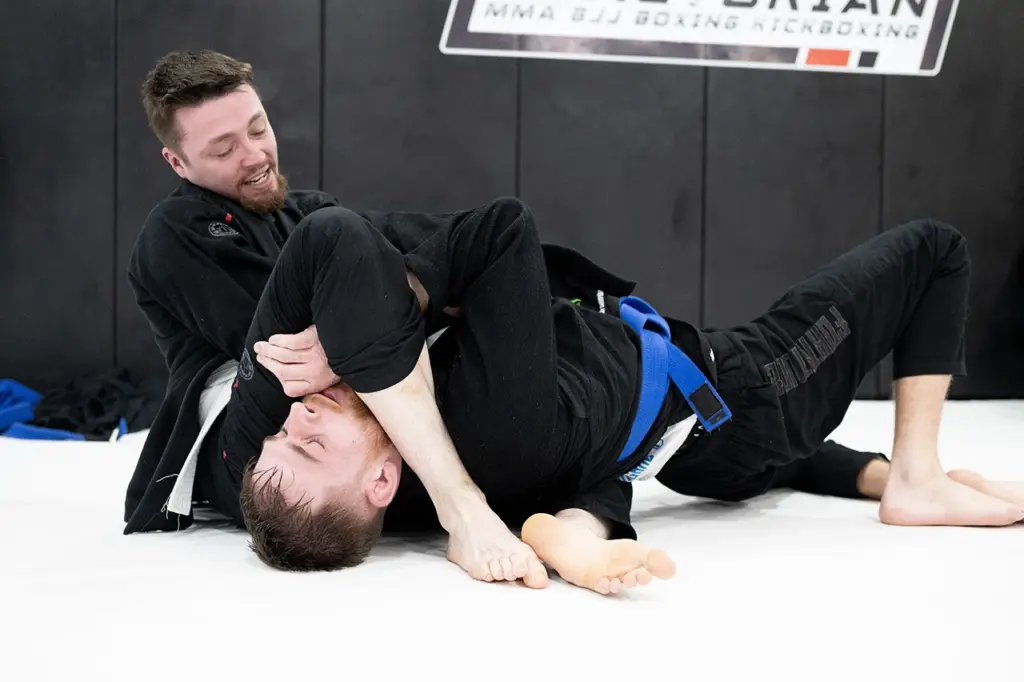
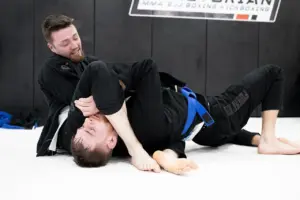
Gi BJJ teaches patience, control, grips, pressure and technical detail. It forces you to slow down, think properly and understand how to control another person when they are trying to stop you.
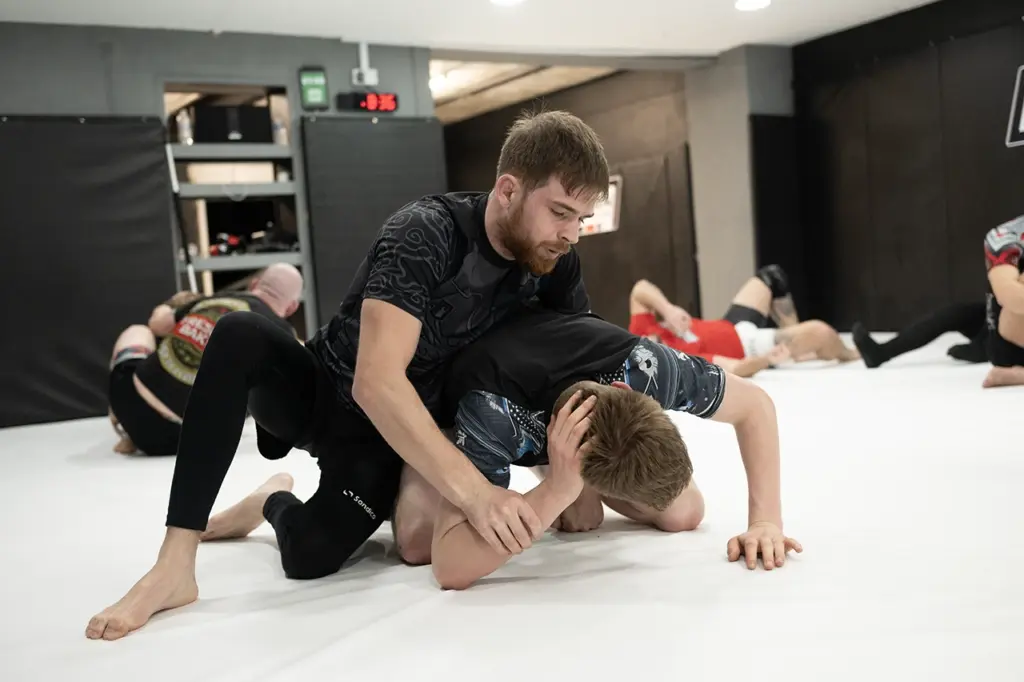
NoGi BJJ develops movement, scrambles, wrestling-style control, transitions and reactions. It is faster, more athletic and naturally connects to MMA.
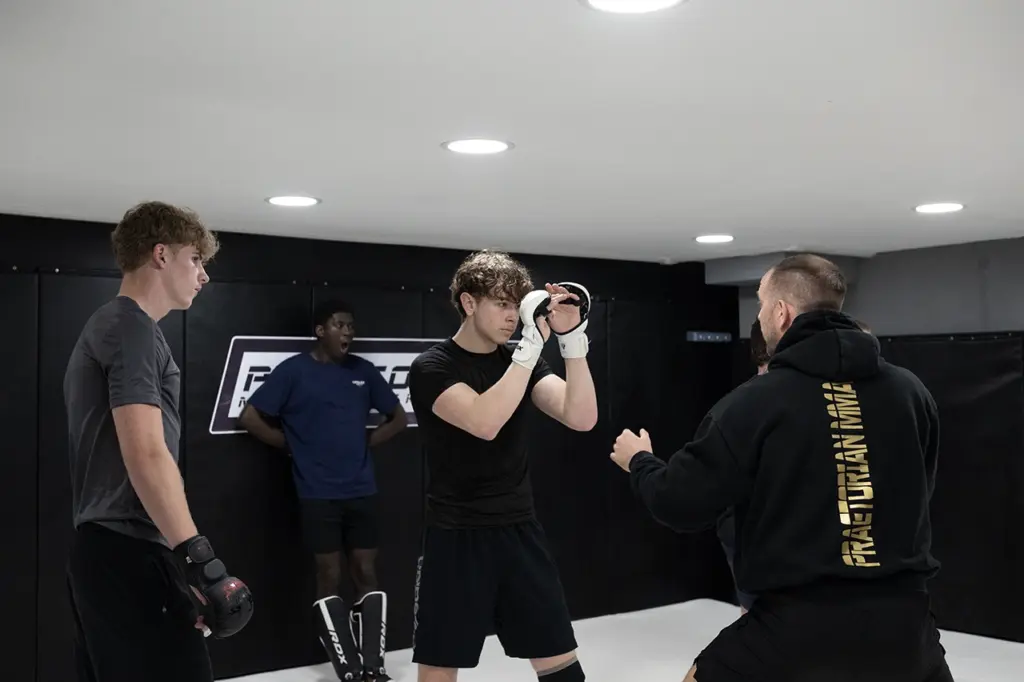
MMA brings striking, wrestling, grappling, distance management and decision making together. It helps you understand how different areas of combat sports connect.
MMA Striking and Kickboxing build footwork, timing, movement, confidence, fitness and the ability to manage distance on your feet.
No single class gives you everything. Each class adds another layer to your understanding.
OPEN MATS HELP EVERYTHING CONNECT
Open Mats and extra training time play a huge role in cross training. They give members the chance to drill, ask questions, roll, spar, problem solve and get time with different training partners.
This is often where lessons from different classes start to connect. Something learned in Gi might appear in NoGi. A scramble from NoGi might connect to MMA. A lesson from striking might improve your understanding of distance before a takedown.
Open Mats are also where members naturally mix across different parts of the timetable. Gi students train with NoGi students. MMA students roll with BJJ students. Coaches and members can share ideas in a more relaxed setting.
DIFFERENT COACHES SEE DIFFERENT THINGS
One of the biggest benefits of cross training is that you learn from different coaches. Every coach sees the game slightly differently and every coach brings different experience to the mats.
Rob Goodson brings around twenty years of BJJ and MMA experience, with a strong focus on control, pressure, fundamentals and Gi development.
Nathan Johnstone is a BJJ Black Belt and former MMA competitor whose teaching is technical, detailed and heavily influenced by modern NoGi grappling.
Christian Bloomfield helps members build striking confidence through Kickboxing and stand-up training, giving people a clearer understanding of movement, timing and distance.
Josh Woodbourne is highly technical, detail-focused and excellent at helping younger members build strong foundations early.
Martyn Styler teaches across BJJ, MMA and youth development, helping students understand how different combat sports link together.
Ben Hudson Wilde is also a strong example of cross training. His development came through exposure to multiple coaches, multiple disciplines and years of learning from different people inside the club.
You can learn more about the coaching team here: Meet The Team.
DIFFERENT TRAINING PARTNERS TEACH DIFFERENT LESSONS
Cross training also exposes you to different people. That matters more than many beginners realise.
A lighter, flexible teenager will teach you different problems from a heavier adult. A strong ex-rugby player will feel different from a technical blue belt. A serving military member may bring a different pace and intensity. A smaller, experienced grappler may show you that strength is not always the answer.
The more people you train with, the more problems you learn to solve. That makes your training more honest and your progress more complete.
WHY MMA ATHLETES SHOULD TRAIN NOGI
If you want to train MMA, NoGi should be part of your development. The movement, scrambles, wrestling-style control, body locks, front headlocks and transitions all connect directly to mixed martial arts.
NoGi helps you understand how to grapple without relying on clothing grips. It teaches reactions, movement and positional awareness that transfer naturally into MMA rounds.
You can read more here: Gi vs NoGi BJJ: What’s The Difference?.
WHY BJJ PLAYERS SHOULD LEARN TO STRIKE
BJJ players do not need to become kickboxers, but learning to strike can completely change how they understand distance, timing and pressure.
Striking teaches you how people move on their feet, how reactions change under pressure and why getting to the grappling range safely matters.
Even if your main focus is BJJ, spending time in striking classes can make you more aware, more confident and more complete.
WHY EXPERIENCE MATTERS
One of the best examples of this is Rob Goodson. Rob has around twenty years of experience across Jiu Jitsu, MMA and NoGi. His knowledge goes beyond many brown belts and even many black belts.
Rob's journey also shows why cross training matters. At one stage, he spent around nine years away from the Gi because MMA and NoGi became his focus. That time gave him huge knowledge, but it also shows why staying connected to different areas of training can matter over the long term.
Rank matters, but experience matters too. The more environments you have trained in, the more problems you have solved and the more complete your understanding becomes.
CROSS TRAINING HELPS COMPETITION
Competition often reveals gaps that normal training can hide.
A BJJ player may realise their takedowns need work. An MMA athlete may discover their guard passing is weak. A Kickboxer may realise grappling range feels uncomfortable. A NoGi athlete may find that Gi grips expose details they have not been forced to solve before.
Cross training gives members more tools, more awareness and more ways to solve problems under pressure.
You can read more about our approach to competition here: Why We Encourage Competition At Praetorian MMA.
CROSS TRAINING HELPS SHIFT WORKERS AND MILITARY MEMBERS
Many of our members work shifts, serve in the military or have unpredictable schedules. Cross training helps because it gives them more ways to stay consistent.
If you miss MMA on Monday, you may still be able to train NoGi later in the week. If you miss Gi, you may still attend Open Mat. If work gets in the way of one class, another class may still keep the routine alive.
That flexibility matters because consistency beats perfect attendance. You can read more about that here: Why Consistency Beats Talent.
For serving military, veterans and emergency services personnel, our connection with REORG at Praetorian MMA may also be relevant.
WHY PRAETORIAN MMA WAS BUILT THIS WAY
Praetorian MMA was built around combat sports, not isolated martial arts. We want people to understand how different skills connect and how training in one area can strengthen another.
We are not trying to create people who can only do one thing. We are trying to help members become capable, confident and adaptable.
This is also why competition, consistency and long-term development matter so much to us. You can read more in Why We Encourage Competition At Praetorian MMA and Why Consistency Beats Talent.
WHERE SHOULD YOU START?
If you are new, the best thing to do is experience the club properly. Try different classes, meet different coaches and see which parts of training you connect with most.
The more you understand, the more choices you have. Cross training gives you more coaches, more training partners, more problems to solve and more ways to grow.