MY CHILD IS SHY: WILL MARTIAL ARTS HELP?
One of the most common concerns we hear from parents is that their child is shy. They worry about whether their child will join in, speak to other children, make friends or feel confident enough to participate in a class environment.
The short answer is yes, martial arts and combat sports can help. However, confidence is not something that suddenly appears overnight. It is built through routine, consistency, positive experiences and small victories repeated over time.
At Praetorian MMA, we are not looking to change who a child is. Some children will always be quieter than others. What we want to do is help them become more confident versions of themselves.
If you are still at the early stage of deciding whether training is right for your child, you may also find A Parent's Guide To Starting Martial Arts, How Old Does My Child Need To Be To Start Martial Arts? and Why We Encourage Parents To Get Involved useful.
SHY DOES NOT MEAN WEAK
Many parents mistakenly think that confidence and ability are the same thing. They are not.
Some of the most talented young people we have coached have been incredibly quiet. Some barely spoke during their first few months of training. Some struggled to make eye contact. Others were nervous about working with new partners or speaking in front of groups.
Confidence is often built through experience. The more positive experiences a child has, the more they begin to realise that they are capable of doing difficult things.
CONFIDENCE COMES FROM CONSISTENCY
The children who make the biggest changes are rarely the most naturally gifted. More often than not, they are the children who keep turning up.
Every lesson they attend becomes another opportunity to learn names, build friendships, understand routines, follow instructions and feel more comfortable in the environment.
One of the biggest mistakes parents make is allowing short-term emotions to dictate long-term decisions. Every child has days where they are tired, emotional, frustrated or simply cannot be bothered. That is normal.
What often creates confidence is not avoiding those days but working through them. Routine and consistency are powerful tools when it comes to helping children grow.
This is also why our article on Why Most People Quit Combat Sports is useful for parents. The same patterns that affect adults can affect children too: motivation drops, confidence wobbles and the routine either becomes stronger or starts to disappear.
THE SIX TO TWELVE WEEK DIP
Many children enjoy the first few sessions because everything is new. They meet the coaches, learn the routine, recognise a few faces and begin to understand how the class works.
Then, somewhere around six to twelve weeks, the training can start to feel harder. The excitement of starting has settled, techniques become more challenging and the child may start comparing themselves to others.
This is a normal part of the process. It does not mean training is wrong for them. It often means they are reaching the stage where real growth begins.
For shy children, this stage can be especially important. If they are supported through it, they often come out the other side more confident, more settled and more connected to the people around them.
IT IS OKAY TO GET THINGS WRONG
One of the lessons we try to teach every child is that mistakes are normal.
You are supposed to get things wrong. You are supposed to struggle sometimes. You are supposed to find some techniques difficult.
Learning is not about being perfect. Learning is about making mistakes, understanding them and improving over time.
For shy children especially, understanding this can be life changing. Many are worried about getting things wrong in front of others. Once they realise that everyone around them is learning too, they often relax and begin to enjoy the process.
THE COACHES MATTER
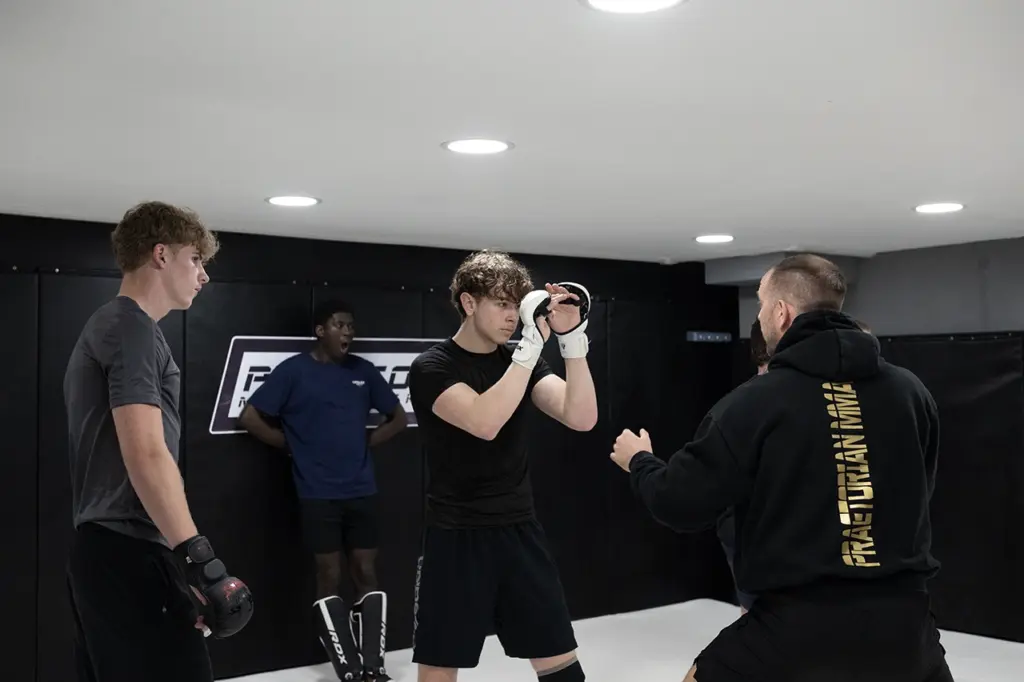
When a child is shy, the coach matters. Parents need to know that their child is being guided by people who understand patience, confidence and long-term development.
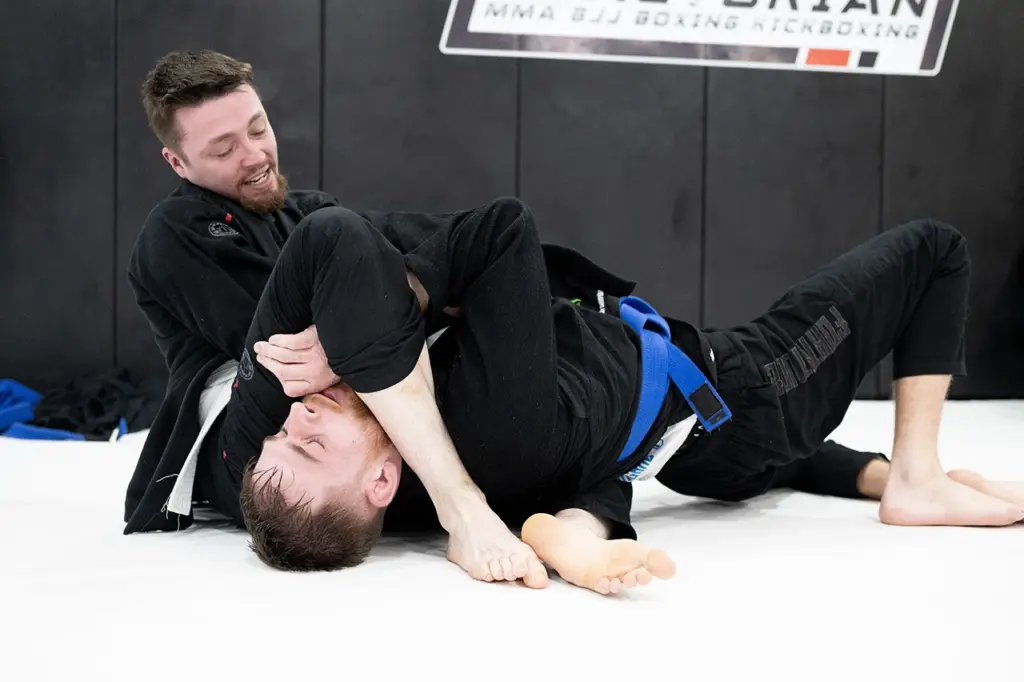
Coaches such as Josh Woodbourne, Nathan Johnstone and Martyn Styler work with children and teenagers across BJJ, NoGi and MMA sessions, helping them build confidence at a pace that makes sense.
You can also learn more about the wider coaching team here: Meet The Team.
JOSH'S STORY
One of the best examples of this journey is Josh Woodbourne.
Today, Josh is one of the coaches at Praetorian MMA and was ranked number one in the UK in his division last year. However, that is not where his story began.
Josh was bullied growing up. He was shy, lacked confidence and faced challenges that many young people would have struggled to overcome. Josh was also born with Myalgic Encephalomyelitis and is registered disabled.
What changed his life was not talent. It was consistency. He kept turning up. He kept learning. He kept improving.
The confident coach standing in front of classes today is not the same young person who first walked through the doors. His journey proves what can happen when somebody commits to the process and refuses to give up.
BEN'S STORY
Another powerful example is Ben Hudson Wilde.
Ben joined the club at 15. At that time, he was overweight, socially awkward, struggling with alcohol, had used drugs and did not really fit in with the people around him.
Training did not magically fix everything overnight, but it gave him structure, people to look up to, a routine to follow and something positive to work towards.
Over time, Ben changed completely. Through consistency, discipline and support, he became a very different person from the teenager who first walked through the door.
Today, Ben is a respected coach, a role model for younger members and proof that the right environment can help a young person rebuild their direction.
JACK'S STORY
Jack Cowley is another example of why the right environment matters.
Jack was born with cerebral palsy and joined Praetorian MMA at 15 after surgery to help straighten his foot. He had been bullied and came to the club needing confidence, support and a place where he could build himself properly.
Through training, patience and consistency, Jack learned to move better, walk better, run better and believe in himself more than he had before.
He still has limitations, but the progress he has made shows what can happen when a young person is given the right support and enough time to grow.
WE SEE IT ALL THE TIME
Josh, Ben and Jack are not the only examples.
For safeguarding reasons, there are children currently training at Praetorian MMA whose stories we cannot publicly share. What we can say is that we regularly see children who arrive shy, nervous and lacking confidence become completely different people over time.
They start making friends. They begin speaking more. They become comfortable in new situations. They learn to work with others. Some go on to compete successfully. Others simply become happier and more confident versions of themselves.
The important thing is that they are given time to grow.
PARENTS PLAY A HUGE ROLE
Parents are often the biggest influence on whether a child succeeds.
That is why we encourage parents to stay involved, support the process and understand that confidence is built over months and years, not days and weeks.
You can read more about this here: Why We Encourage Parents To Get Involved.
There will be days where a child does not feel like attending. There will be days where they feel frustrated or doubt themselves. That is normal.
The danger comes when short-term emotions continually interrupt long-term development.
COMBAT SPORTS ARE ABOUT MORE THAN FIGHTING
Many parents initially enquire because they want their child to learn self-defence or build confidence.
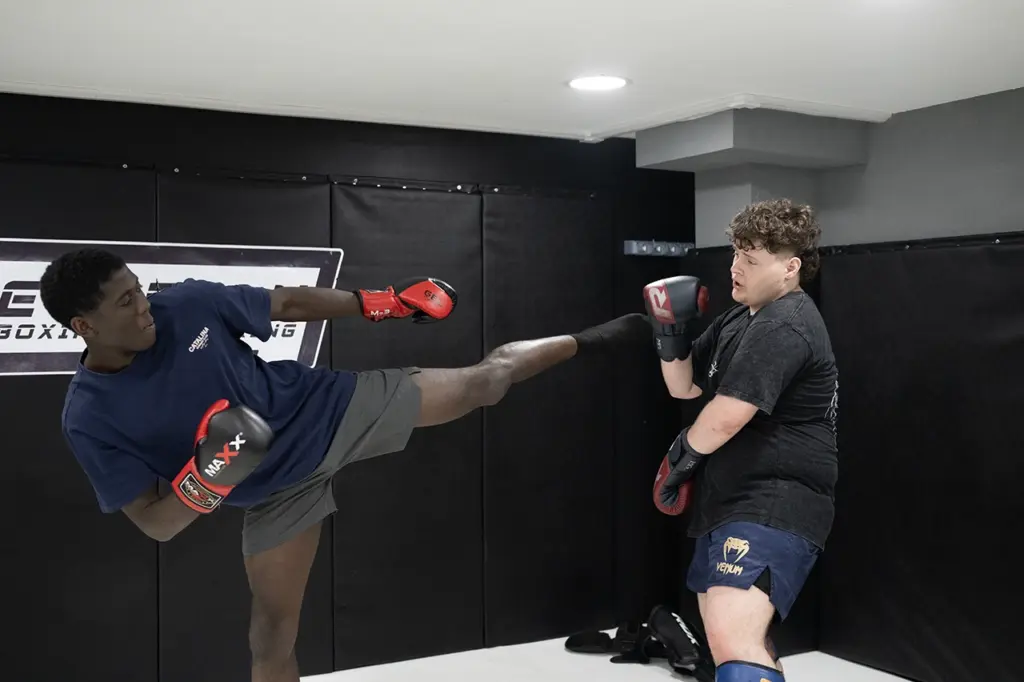
What they often discover is that combat sports teach much more than that. They teach perseverance, discipline, resilience, teamwork, communication and how to cope when things do not go to plan.
These are skills that can help children at school, in friendships, during exams and later in adult life.
You can read more about the difference between traditional martial arts and pressure-tested training here: Martial Arts vs Combat Sports.
WHERE SHOULD MY CHILD START?
If your child is shy, the most important thing is simply getting started in the right environment.
You can learn more about our programmes here:
You may also find these articles helpful: A Parent's Guide To Starting Martial Arts, How Old Does My Child Need To Be To Start Martial Arts? and Why We Encourage Competition At Praetorian MMA.
Confidence is rarely built in a single lesson. It is built through hundreds of small moments. Walking through the door. Speaking to a new training partner. Trying something difficult. Getting something wrong. Coming back next week. Over time those moments become confidence, friendships and belief in themselves.